


Transforming Care.
Improving Lives.
Featured Content
Ariadne Labs is a joint center for health systems innovation at Brigham and Women’s Hospital and the Harvard T.H. Chan School of Public Health.
We create scalable systems-level solutions for better care now and for what’s next in health care. From checklists and conversation guides to fostering international collaborations and establishing global standards of measurement, our work has been accessed in more than 165 countries, touching hundreds of millions of lives.
About UsOur Work
We design, test and spread scalable systems-level solutions that address gaps in the health care system. Our solutions improve health care processes, enhance purposeful interactions between patients and their providers, and impact populations at scale.
Our Focus Areas

Quality maternal and newborn care is a fundamental health care right.
LEARN MORE

Health care systems require integration and communication for high-quality, equitable care.
LEARN MORE
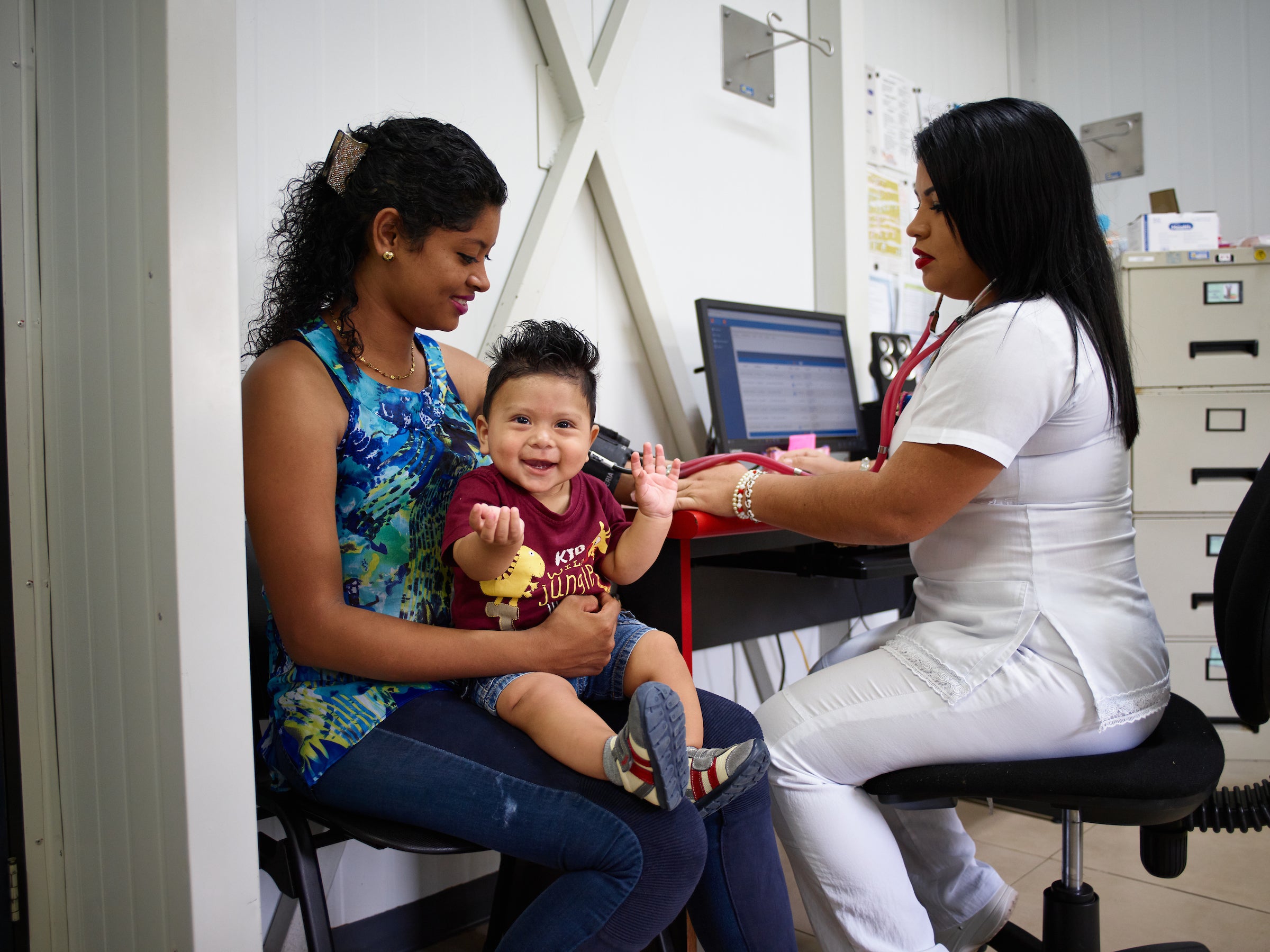
Our Impact
Highlights

More than 314,000 children in the U.S. live with type 1 diabetes (T1D), with thousands of new cases identified every year. It is the most common chronic disease affecting children, yet for many, diagnosis comes only after a medical emergency. With the recently released SPOT-T1D Kids clinical pathway, tools, and implementation guide, Ariadne Labs is… Continue reading Ariadne Labs Releases SPOT-T1D Kids Solution for Earlier Type 1 Diabetes Detection