

Twenty years after the Surgical Safety Checklist transformed patient safety around the world, Ariadne Labs is helping shape what’s next.
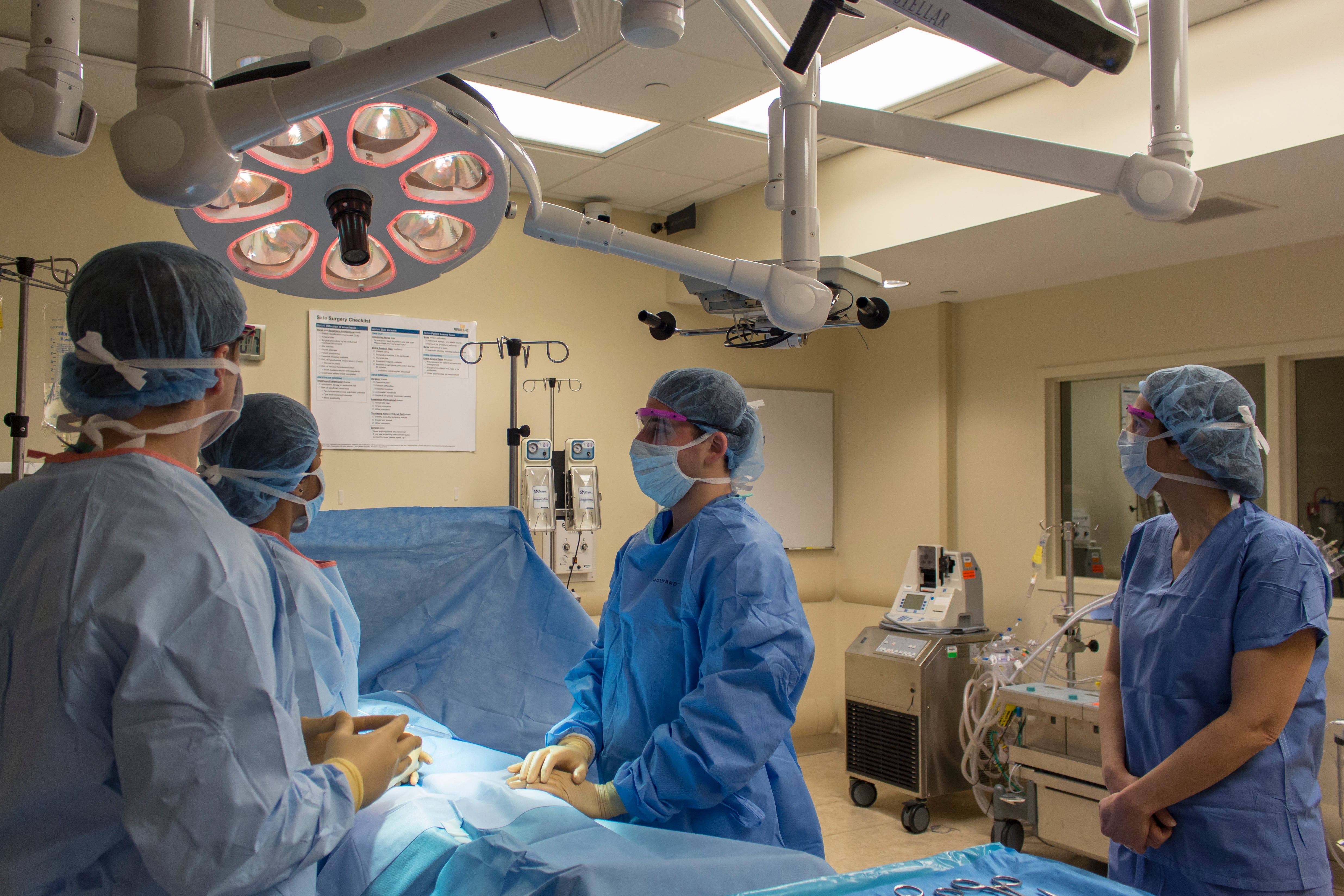
Nearly 20 years after the introduction of the World Health Organization Surgical Safety Checklist transformed operating rooms around the world, Ariadne Labs is helping lead a new international effort to ensure surgical safety continues to evolve to meet today’s challenges.
The Global Partnership for Surgical Safety and Enhanced Recovery (GPSSER) brings together experts from leading academic institutions, non-governmental organizations and international surgical organizations to reimagine how surgical safety tools can better support patients and care teams in diverse health systems around the world.
The partnership is co-led by Mary Brindle, MD, MPH, Director of the Safe Surgery program at Ariadne Labs, and Nobhojit Roy, MBBS, MPH, PhD, a global leader in surgical systems research and implementation. The initiative also benefits from the guidance of Ariadne Labs founders Atul Gawande, MD, MPH, and Bill Berry, MD, MPA.
Building on the remarkable success of the Surgical Safety Checklist, GPSSER will explore how surgical safety tools can be redesigned and implemented to better reflect modern clinical practice, advances in technology and the realities of delivering care in both high-resource and low-resource settings.
“The future of surgical safety isn’t about asking every hospital to use the exact same checklist,” said Brindle. “It’s about preserving the principles that make patients safer while giving clinical teams the flexibility to adapt those principles to their own context. That’s exactly the kind of challenge Ariadne Labs was created to solve—closing the gap between evidence and practice. By bringing together expertise from around the world, we’re building on two decades of learning to create surgical safety tools that are practical, adaptable and capable of improving care across every health system.”
Building on two decades of progress
The WHO Surgical Safety Checklist, developed nearly two decades ago with leadership from Ariadne Labs’ founders, remains one of the most widely recognized patient safety tools in medicine. When effectively implemented, studies have shown it can reduce perioperative mortality by approximately 20 percent—and by as much as 40 percent in settings with intensive implementation.
Yet important challenges remain.
Despite its proven effectiveness, adoption and sustained implementation vary widely across health systems. In many low- and middle-income countries—where patients face some of the highest rates of preventable surgical complications and death—meaningful checklist use remains limited.
At the same time, surgical care has continued to evolve. Electronic medical records, new technologies, enhanced recovery pathways and locally developed innovations have created opportunities to rethink how surgical safety tools can better fit today’s operating rooms.
Rather than creating an entirely new solution, GPSSER aims to learn from successful adaptations developed around the world and identify practical strategies that make surgical safety tools more useful, more engaging for clinical teams and ultimately more effective for patients.
A truly global collaboration
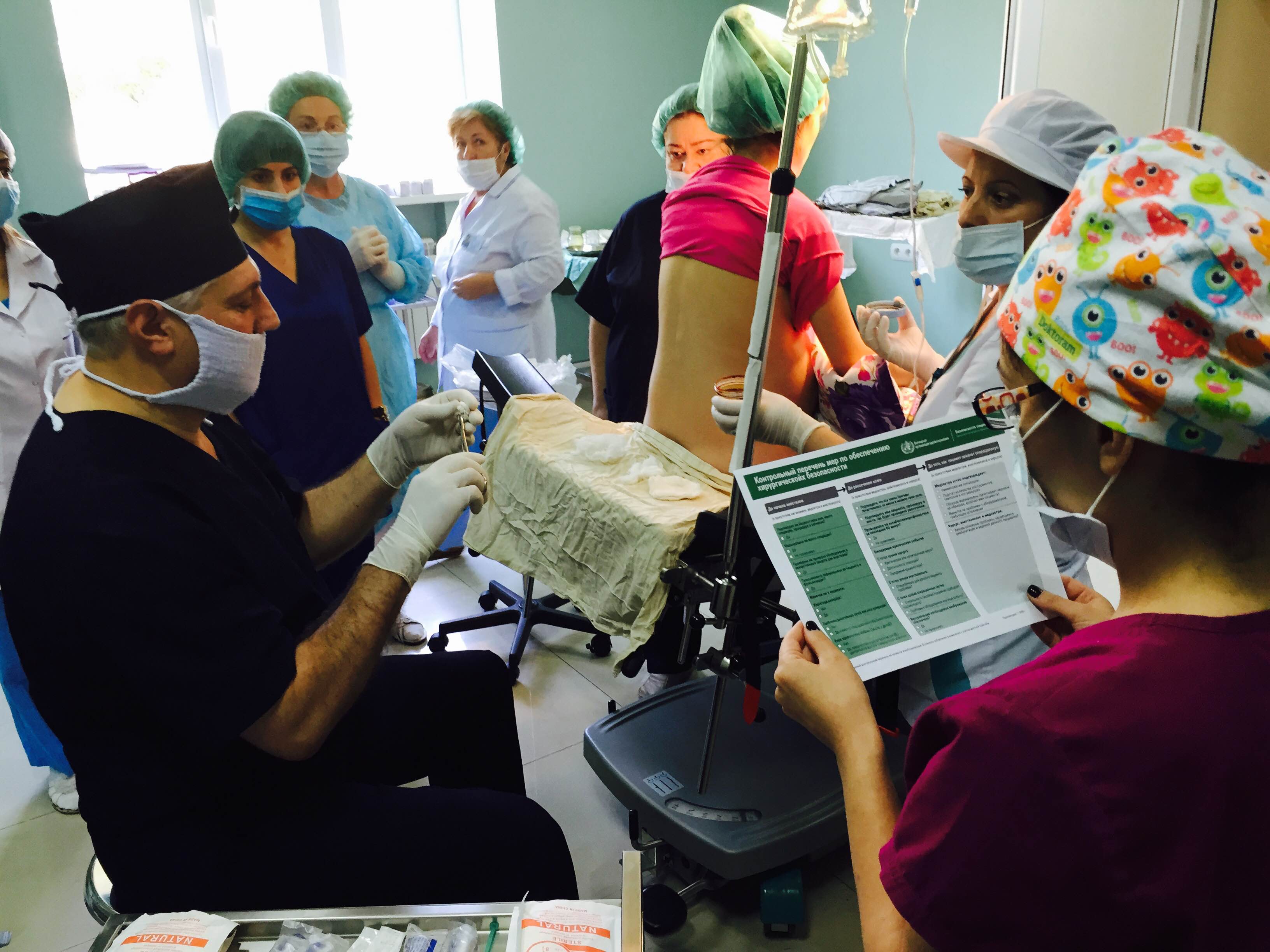
The partnership brings together leaders in surgery, anesthesia, implementation science and health systems from across Africa, Asia, Europe and the Americas.
Partners include representatives from WHO Collaborating Centres in India and Rwanda, the World Federation of Societies of Anaesthesiologists (WFSA), the Global Surgery Foundation, the ERAS Society and members of the Lancet Commission on Global Surgery.
Many participants have spent years advancing surgical safety within their own countries and regions. Their experience ranges from implementing the Surgical Safety Checklist in low-resource settings to redesigning safety tools for complex surgical care in major academic medical centers.
Singapore General Hospital—whose work with Ariadne Labs demonstrated improvements in teamwork and reductions in safety events following checklist redesign and implementation—is also contributing its expertise to the partnership’s next phase of work.
Learning from innovation around the world
One of GPSSER’s first initiatives is an international scoping review and global survey designed to better understand how surgical teams have adapted safety tools in different clinical environments.
Through the survey, hospitals around the world will share examples of locally developed surgical safety checklists, innovations in implementation and the challenges they continue to face. Follow-up interviews will help identify successful approaches that can inform future guidance and tool development.
Rather than assuming solutions developed in one setting can simply be transferred elsewhere, the partnership emphasizes co-design with frontline clinicians and adaptation to local workflows, resources and patient needs.
This approach reflects a growing body of research showing that thoughtful redesign and implementation—not simply wider distribution of existing tools—can strengthen safety culture, improve team communication and increase meaningful checklist use.
Convening global leaders in Geneva and Looking Ahead
As part of World Health Assembly week, GPSSER members convened in Geneva for a strategic side event hosted by the Global Surgery Foundation, advancing the partnership’s priorities and charting the next phase of its work.
Over the coming years, GPSSER will build on Ariadne Labs’ growing body of research on surgical safety redesign, implementation science and enhanced recovery to develop updated tools and practical guidance that can be adapted across diverse health care settings.
“The future of surgical safety will not be built by adapting solutions for low- and middle-income countries. It must be built by them and with them,” said Nobhojit Roy, MBBS, MPH, PhD. “GPSSER creates a unique platform for global collaboration that values local innovation, lived experience, and shared leadership.”
By bringing together global expertise while learning directly from frontline surgical teams, the partnership aims to help ensure that one of health care’s most influential patient safety innovations continues to evolve—and continues to save lives—for decades to come.