


Why Beyond Survival Matters
Maternal recovery extends far beyond the moment of birth
Birth complications can have lasting effects on mothers, newborns, families, and households well into the postpartum period.
1 in 3+
Mothers experience a maternal complication at birth
40%
Of mothers never attend a postpartum visit
XX%
Of maternal deaths occur during the postpartum period
Draft statistic: replace XX% when the final statistic is confirmed.
Under-reported
Ongoing maternal morbidity and its impacts on wellbeing often remain unseen
The ripple effects of a birth complication
A birth complication can affect much more than physical recovery. Its effects can extend into emotional wellbeing, family relationships, household roles, and financial security—often long after a mother and baby leave the health facility.
Ongoing pain and health needs can make it difficult to rest, care for a baby, or return to work. At the same time, the costs of care and lost income can place additional strain on households. These pressures can compound one another throughout the postpartum period.
Supporting recovery means looking beyond survival to the health and wellbeing of mothers, newborns, and the households around them.
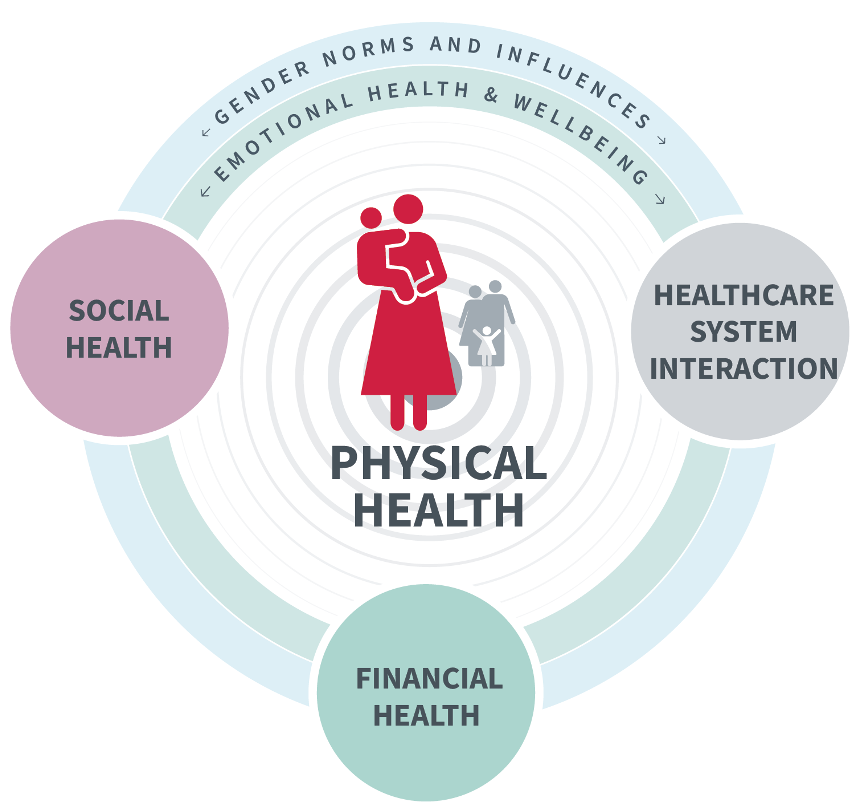
Explore mothers’ and families’ experiences through a mother’s journey or through the study’s five actions for better care.
Understanding recovery after a birth complication
The Beyond Survival study explored women’s experiences of a birth complication in low-resource settings in Kenya from delivery through 18 months postpartum to understand key innovations needed to improve recovery and wellbeing of mothers, newborns, and households.
A mother’s journey
From pregnancy through the first 18 months of her child’s life, explore how health shocks, financial pressures, and gaps in care shape a mother’s experience.
Explore the research findings →Pregnancy
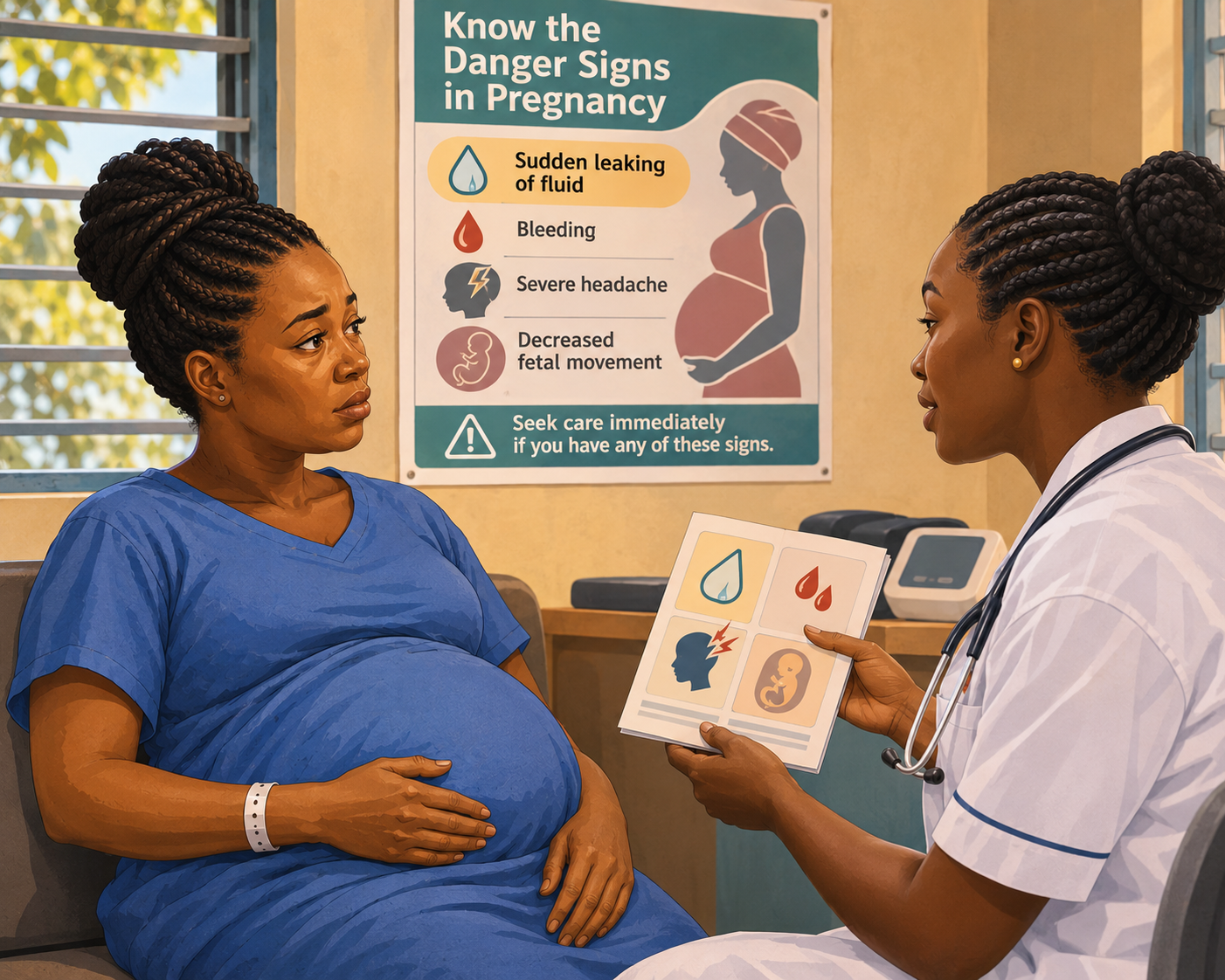
Little awareness of birth complications before they happen
[Mother’s name] knew very little about what to expect during and after a Cesarean or what a Newborn Care unit looked like.
Study context
ANC raises mothers’ awareness of danger signs during pregnancy, but information about the causes and treatments are rarely discussed, adding to the health shock.
In the words of research participants
He’s my first child to enter the nursery, so I haven't experienced anything like having a child in a nursery or premature births. I was confused and wondering, “What should I do? Where should I go? Is the child safe?”
Gender and social contextSocial conditions shaping recovery
Community norms
Without a clear understanding of the causes of a complication, mothers were often blamed for a complication, worsening maternal postpartum mental health


Survival is only the beginning.
These experiences highlight the importance of understandable counseling, timely communication between maternity and newborn services, affordable postpartum care, accessible mental health support, and sustained child health follow-up.
Help families understand complications, treatment, and next steps.
Address maternal recovery, nutrition, and economic barriers.
Make mental health support accessible and affordable.
Support ongoing growth monitoring and respiratory care.
Five actions to improve recovery and wellbeing after birth complications
Explore the mother’s journey →The Beyond Survival study identified opportunities to improve care from pregnancy through the postpartum period. Explore each action below to see what mothers and families experienced and the ripple effects those experiences had over time.
1 Action 1 Communicate about complications during Antenatal Care
What We Found
Mothers and families often had a limited understanding of why a complication occurred, and mothers who underwent cesarean births often felt that they were not given the opportunity to consent, and the information was difficult to understand in a rushed environment. Around 25% of women in the study rated their care as low in autonomy and supportive care, particularly among those whose newborn had a complication.
In Their Words
There is no decision-making [for the mother]… You’re just told, just sign. You don’t even know what you’re signing up for. Mother C1_14, on her experience of consenting to a cesarean delivery
It’s something I’m also trying to understand. People wonder why someone would conceive and then fail to give birth naturally. They see it as abnormal and attribute it to witchcraft. Family member of Mother C1_002_R3 who gave birth via cesarean section
Ripple Effects
2 Action 2 Reduce mother-newborn separation during in-facility stays
What We Found
For uncomplicated births, 93% of mothers remained with their baby throughout their stay in the health facility. However, after a complication, mothers and babies were often separated, especially when the baby required specialized care. In cases where both the mother and baby had a complication, just 27% stayed together. Family members faced restricted access to caring for the baby.
In Their Words
Without seeing the child, I didn’t know where the child was. I thought they were lying to me; maybe he got there and died. Mother C3_14, maternal complication. The baby survived.
He was taken to the nursery…. I was told, “Once you have strength, you can walk, you will have a chance to….see your child”… It was just stressful because your head is full, you can’t walk there, and you’re thinking about your child. Mother C3_01, maternal and newborn complication
Ripple Effects
3 Action 3 Align routine health checks for newborn and mom
What We Found
While 77% of women attended a postnatal care appointment, the care focused on newborn weight checks and vaccines, with minimal maternal care or specialty care for the baby. Maternal issues related to pain, mental health, and any follow-up care for birth complications like pre-eclampsia or hemorrhage remained untreated.
In Their Words
They asked me if I have ever taken the child for check-up, I told them that was difficult…spending five hundred shillings to go back and forth is a lot. Mother C2_007, delivered a baby with asphyxia
They just give the child an injection, tell you, “Hold your baby, go home…”. They don’t even notice, maybe you’re not okay mentally… your mind is elsewhere. Mother C2_016, delivered via cesarean section
Ripple Effects
4 Action 4 Expand emotional support strategies for mothers throughout the postpartum period
What We Found
Many mothers reported experiencing anxiety, worry, and stress but did not receive psychosocial or emotional care or counseling after birth. At the 12-month interviews, some women voiced significant emotional struggles, increases in domestic violence, and thoughts of suicide.
Worries about finances were acute by 12 months, especially if the mother had been unable to return to income generation activities. Emotional well-being improved by 18 months for most women, as the additional stressors around birth, changes in finances, and health reached a steady state.
In Their Words
I had to share with my best friends, and they gave me motivation … Yes, it is very important [to be asked about emotional health at the facility] because many face these challenges, but they lack someone to talk to … and that is what causes suicide. Mother C3_012_R3, maternal complication
Ripple Effects
5 Action 5 Emphasize a welcoming and accessible postbirth environment
What We Found
In the immediate postnatal period, routine visits for the newborn were generally well attended. As the babies grew older, mothers felt that there was less value in postnatal appointments, especially when money was scarce.
Some mothers felt ashamed to return to a facility if prior appointments were missed. Prolonged baby illnesses or conditions led mothers to seek alternative care or treatment for their babies either through less expensive sources, such as traditional medicine, or through chemists.
In Their Words
She recommended that I should just go to the hospital, and I didn’t have money to go to the hospital, so I said, let me just buy AL [Artemether/Lumefantrine medication]. First, I bought half a dose. I didn’t have enough money to buy a full dose. I bought half, and then a quarter, then a quarter, and I finished. Mother C2_003_R3, maternal and newborn complication
Ripple Effects