


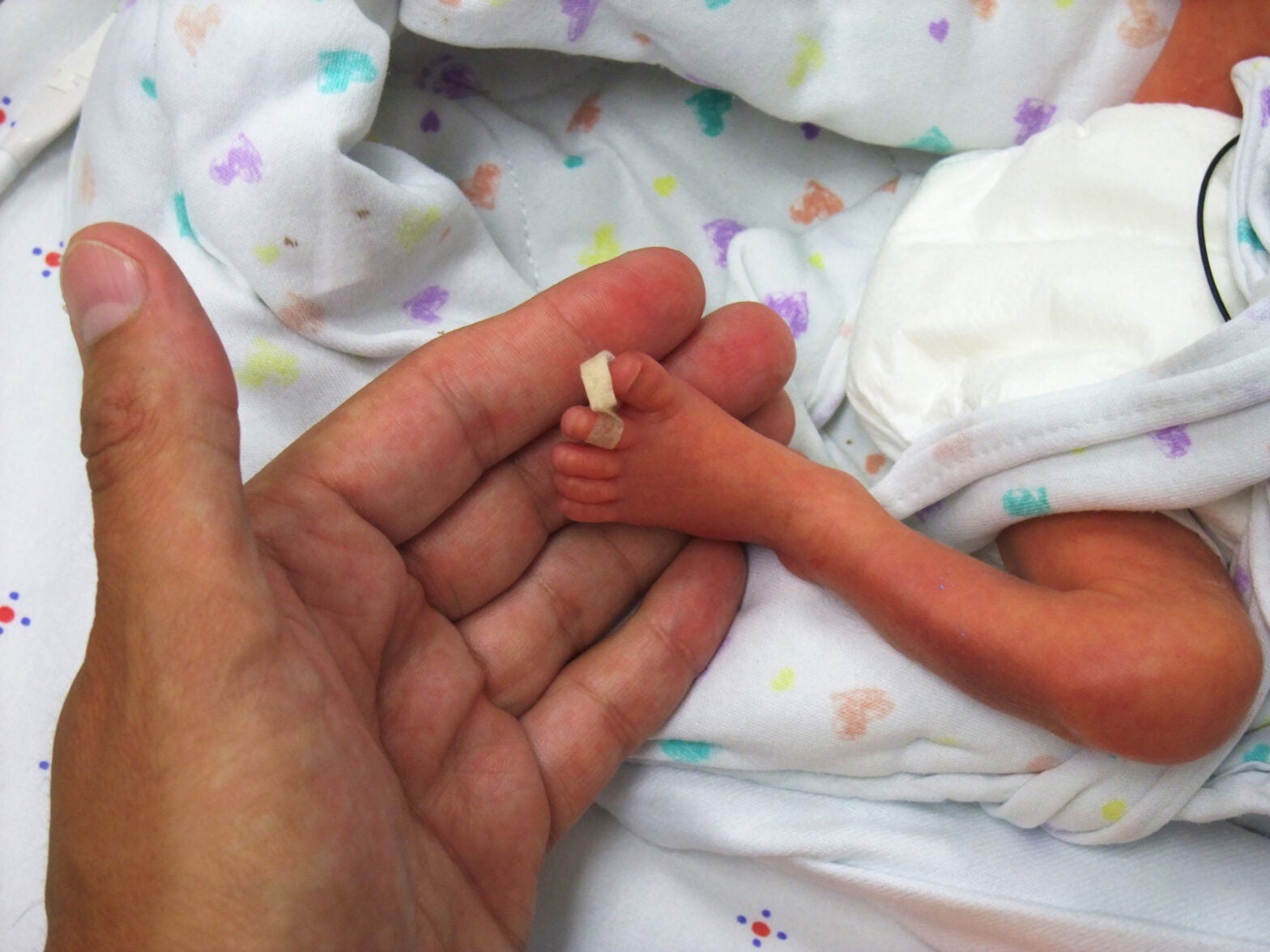
Launched in 2019, Ariadne Labs’ Low Birthweight Infant Feeding Exploration (LIFE) study documents current feeding practices, growth patterns, child development, and other health outcomes among more than 1,100 low birthweight infants in low- and middle-income countries.
- The study set out to identify which infants are at highest risk, illustrate how low birthweight infants feed, grow and develop, and create a research agenda around findings and remaining evidence gaps
Globally, 20.5 million infants are born low birthweight each year. These infants account for up to 80% of newborn deaths — 1.9 million deaths annually — and are 20 times more likely to die than normal birthweight infants. They also face heightened risk of illness, growth deficits, and developmental delays. Low- and middle-income countries bear the greatest burden of both low birthweight births and neonatal deaths.
In recent years, global attention to newborns and low birthweight infants has grown. In 2015, the United Nations named ending preventable deaths of newborns and children by 2030 as a Sustainable Development Goal, and in 2020, the WHO published standards for improving the quality of care for small and sick newborns in health facilities. To make progress toward these goals, researchers, policymakers, clinicians, and funders need a stronger evidence base — one that can sharpen existing feeding guidelines and pinpoint priorities for further research. The LIFE study helped fill that gap to ensure low birthweight infants have the chance to survive and thrive.
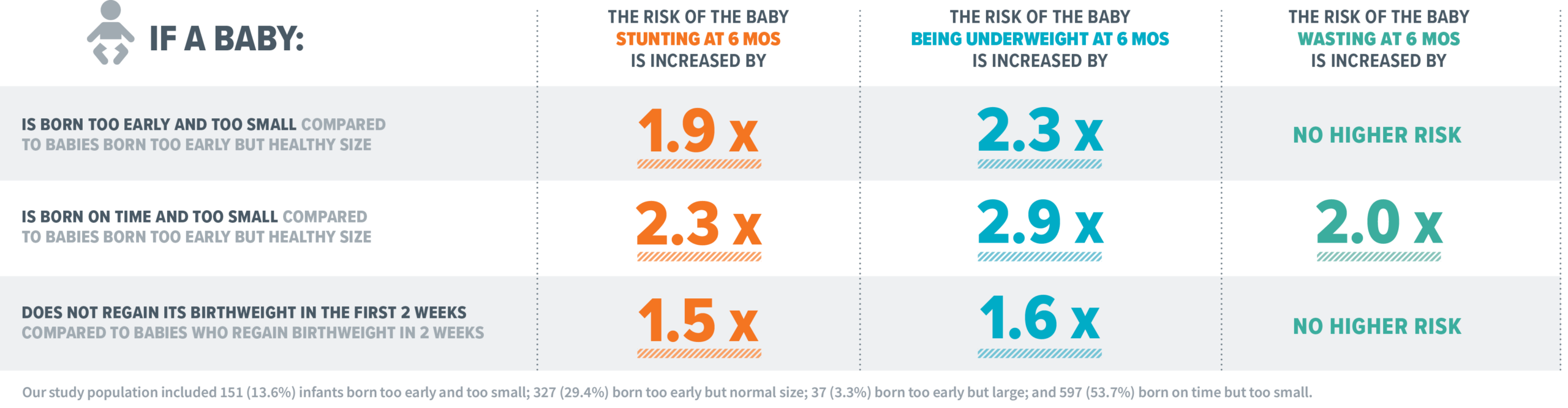
Key Findings
The key actions from LIFE that led to the LIFT-UP project and GIGS project are:
- Develop, evaluate, and scale programs that provide effective, specialized lactation support, and feeding counseling to address the needs of low birthweight infants in facilities and communities.
- Proactively identify and prioritize resources in early infancy to infants at highest risk for mortality and poor growth outcomes.
- Assess the role of breastmilk volume intake and nutrient composition on growth of LBW infants.
LIFE Publications
Explore Our Research
Facilitators, barriers, and key influencers of breastfeeding among low birthweight infants: a qualitative study in India, Malawi, and Tanzania
View publicationLessons learned in implementing the Low Birthweight Infant Feeding Exploration study: A large, multi-site observational study
View publicationChanges in moderately low birthweight infant feeding, care, and health outcomes before compared to during the COVID-19 pandemic in Malawi
View publicationSafe infant feeding in healthcare facilities: Assessment of infection prevention and control conditions and behaviors in India, Malawi, and Tanzania
View publicationFacility-based care for moderately low birthweight infants in India, Malawi, and Tanzania
View publicationFeeding practices and growth patterns of moderately low birthweight infants in resource-limited settings: results from a multisite, longitudinal observational study
View publicationMixed-methods, descriptive and observational cohort study examining feeding and growth patterns among low birthweight infants in India, Malawi and Tanzania: the LIFE study protocol
View publicationFeatured content
Explore the LIFE Study Findings and What Came Next
LIFE Study Findings: A Two-Year Birth Cohort — Executive Summary
A recently published Executive Summary details study findings for infants from birth to one year. It outlines key actions for an evidence-based approach to improving growth, survival, and development outcomes, with a focus on identifying the highest-risk infants early enough to intervene.
Read the summaryThe LIFT-UP Project
As a result of the LIFE study, this project created a supportive care package evaluating how to improve feeding for small vulnerable newborns in India, Malawi, and Tanzania.
Learn moreLIFE Study Consortium Partners
- Ariadne Labs, United States
- Jawaharlal Nehru Medical College, Belgaum, India
- University of North Carolina–Project Malawi, Lilongwe, Malawi
- Muhimbili University of Health and Allied Sciences, Dar es Salaam, Tanzania
- Emory University, Atlanta, GA
- Brigham and Women’s Hospital, Boston, MA
- Boston Children’s Hospital, Boston, MA
- Harvard T.H. Chan School of Public Health, Boston, MA
- PATH, Seattle, WA
- University of North Carolina, Chapel Hill