


The BetterBirth program published 6-month longitudinal data results from the LIFE Study on feeding and growth patterns among moderately low birthweight infants in resource-limited settings.

New research from BetterBirth and Noora Health that set out to understand how and why knowledge and behaviors of maternal and newborn care behaviors change ( as a result of a family caregiver-centered neonatal education program.

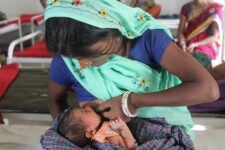
The BetterBirth program and their global partners hosted this session at HSR 2022 in Bogota, Colombia to share findings from the LIFE Study and discuss how to improve care for the millions of small and sick newborns born each year.
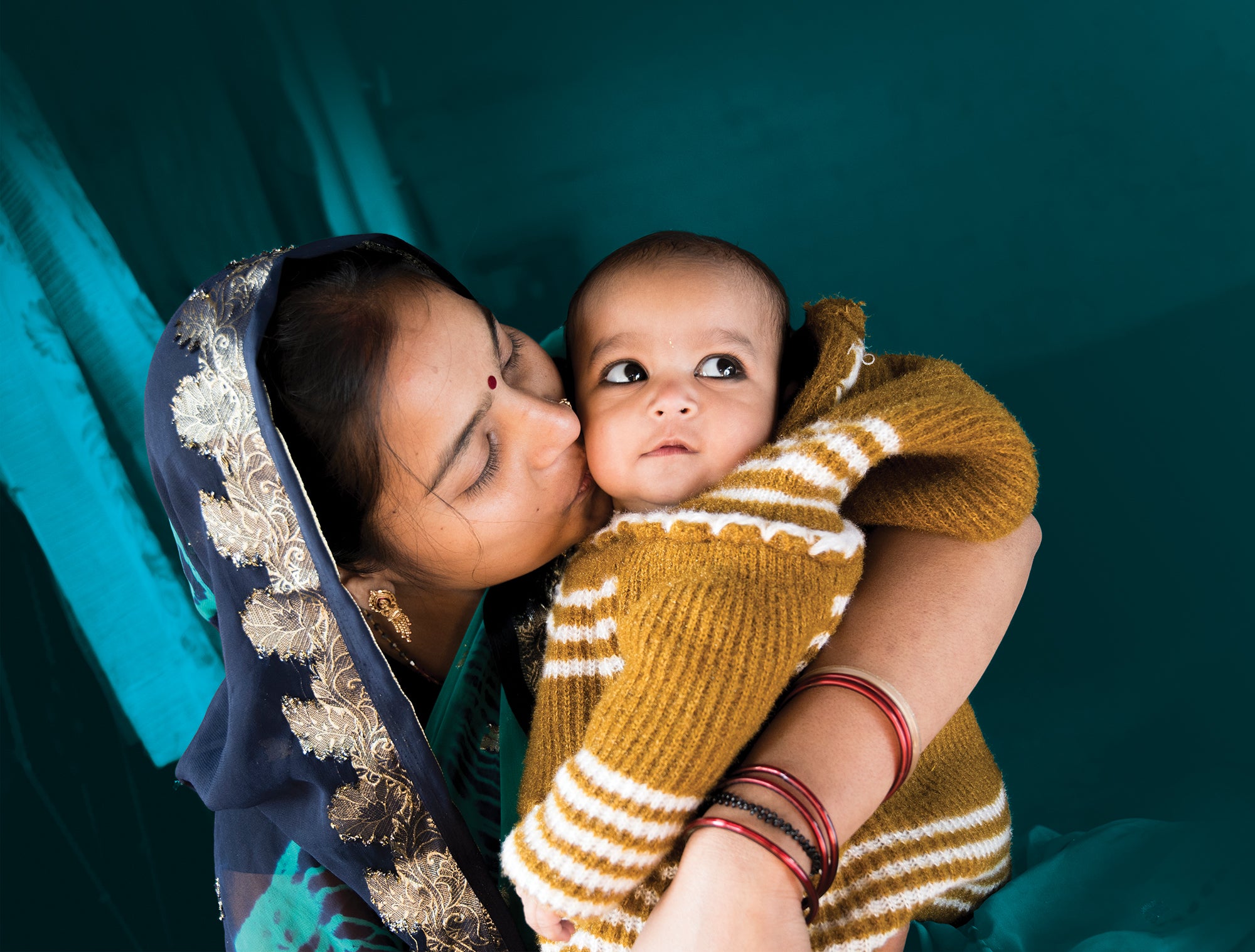
BetterBirth’s Megan Marx Delaney spoke on the Reproductive Health Supplies Coalition’s webinar series on recent findings from the BetterBirth trial on oxytocin use.
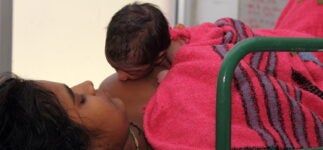
Researchers from Ariadne Labs’ BetterBirth Program and study partners presented key findings from the Low Birthweight Infant Feeding Exploration (LIFE) study during an April 26, 2022 webinar. 20.5 million infants are born low birthweight each year. These infants account for more than 80% of newborn deaths and are at increased risk for illness, growth deficits,… Continue reading BetterBirth Program and Study Partners Present Results of LIFE Study on Recent Webinar
Join us on Tuesday, April 26, 2022 from 9:00am-10:30am EDT for a live webinar to learn about the new evidence for improving outcomes for moderately low birthweight infants in limited-resource settings. During this webinar, study investigators will share the key findings from the Low Birthweight Infant Feeding Exploration (LIFE) study and will engage in an important dialogue on the… Continue reading Register now: Low Birthweight Infant Feeding Exploration (LIFE) Webinar Study Findings: A One-Year Birth Cohort
The Executive Summary details study findings for infants from birth to one year. It outlines key actions for an evidence-based approach to improve growth, survival, and development outcomes for these infants, with a focus on early identification of the highest risk infants to allow for early intervention.

Creating tools for effective implementation.
Commentary from the BetterBirth team published in Lancet Global Health on how the Checklist is most effective when implemented as part of a larger quality improvement initiative and calls for more research.