



More than 314,000 children in the U.S. live with type 1 diabetes (T1D), with thousands of new cases identified every year. It is the most common chronic disease affecting children, yet for many, diagnosis comes only after a medical emergency.
With the recently released SPOT-T1D Kids clinical pathway, tools, and implementation guide, Ariadne Labs is working to help kids get a diagnosis before an avoidable medical crisis occurs. In recent years, the emergence of autoantibody screening has given clinicians a new tool to help identify kids who are at risk of developing T1D. Once identified, kids can be monitored over time, and intervention can start before symptoms develop, avoiding the stress and suffering of an emergency hospital stay. However, uptake has been limited, as few clinicians are equipped to offer the screening or the needed follow-up care.
“So many kids are only diagnosed with T1D after they’re taken to the hospital in diabetic ketoacidosis, a life-threatening medical emergency,” said Francine Maloney, MPH, Director of Implementation at Ariadne Labs and Project Director of SPOT-T1D Kids. “Then, while they’re recovering, families are trying to learn how to manage a complex, life-altering condition in a matter of days under stressful circumstances. Autoantibody screening helps identify disease earlier to ease that transition, but almost no one can access it.”
To close this gap, Ariadne Labs designed the SPOT-T1D Kids (Screening in Primary care for Onset of Type 1 Diabetes in Kids) clinical pathway and comprehensive set of tools to help primary care practices adopt screening into their routine care, allowing more kids with T1D to get the care they need sooner.
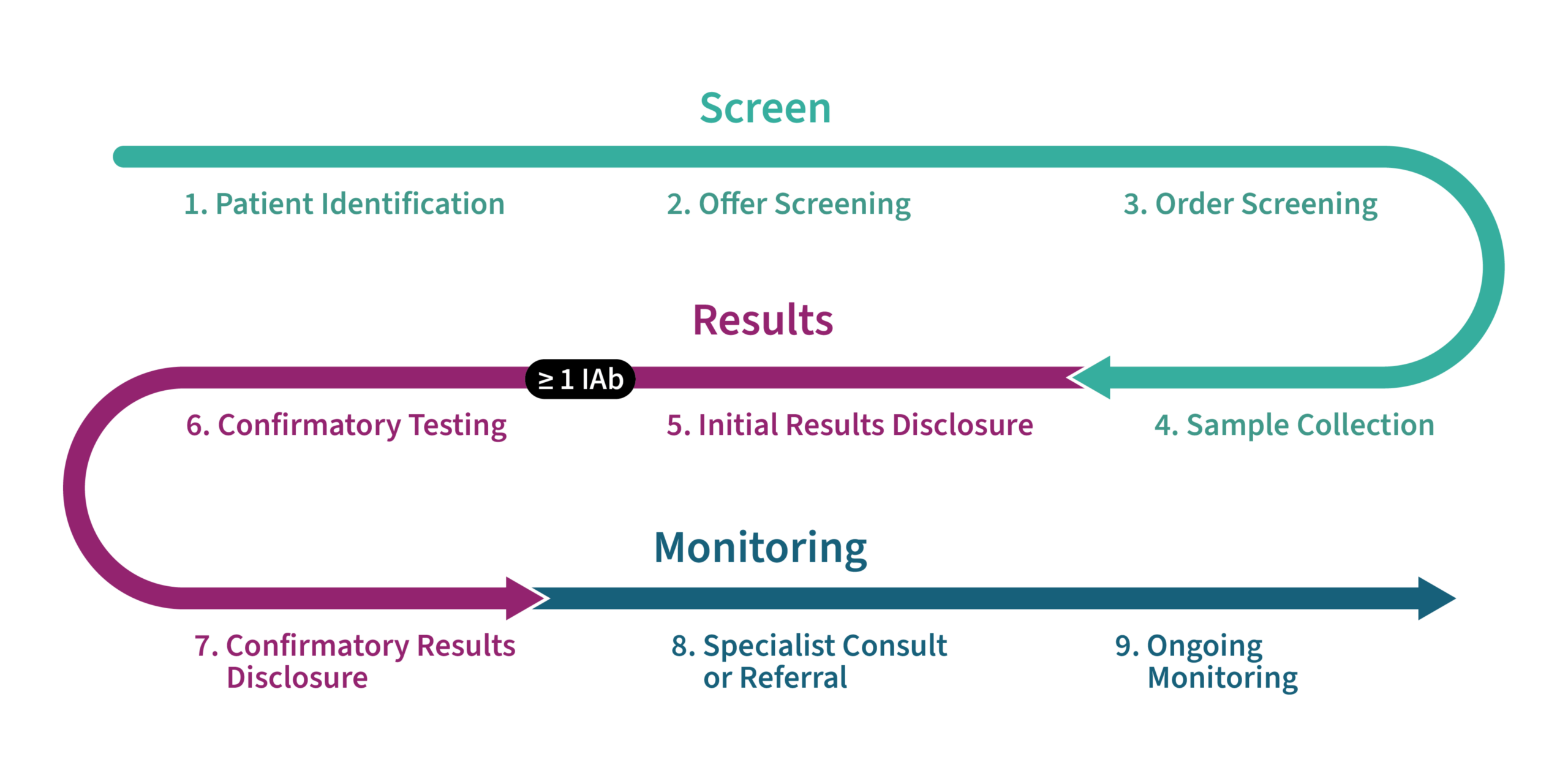
“Primary care practices are the cornerstone of pediatric preventive care,” said Bill Berry, MD, MPA, MPH, co-founder of Ariadne Labs and Senior Advisor to the project. “While they have the ability to reach a huge percent of the population, they’re also constantly being asked to do more. It’s challenging to find ways to integrate all of the emerging breakthroughs into clinical practice. The goal of this work was to build a set of tools with flexible implementation guidance that would allow practices to integrate this screening into their workflows in a way that works for them.”
The solution provides resources for clinicians, including conversation guides for introducing the screening and for following up with families about results, an adaptable protocol for screening and monitoring, and responses to questions families commonly have about screening. In addition, it provides materials to share with families to help explain the screening, the process, and the follow-up.
The tools are accompanied by an in-depth implementation guide, which offers a flexible, evidence-based foundation for effective and sustainable change. The guide organizes activities and resources into four phases — Build Your Foundation, Prepare, Implement, and Sustain — each with its own key milestones and resources to break down the implementation process, while providing flexibility for practices to adapt the process to their own specific needs.
This work is the culmination of a two-year effort that began in 2024 with the formation of the U.S. Coalition for Early T1D Action. This Coalition brought together 25 clinicians, researchers, health system leaders, payors, and patient and family representatives from across the U.S. The Coalition was tasked with supporting co-design of a core clinical pathway for pediatric T1D screening and monitoring, developing guidance and resources needed for real-world implementation, and planning for testing, refinement, and scale-up of the pathway and tools over time. Using human-centered design and implementation science, the Coalition worked alongside Ariadne Labs to develop the toolkit.
While the toolkit lays a critical foundation, broad adoption of screening will require careful implementation. With the launch of the toolkit, we will begin working with pediatric primary care sites to understand whether the tools are both feasible and acceptable to implement, and to better understand which implementation strategies best support adoption.
“We’re thrilled to share these resources with and for practices ready to use them,” said Asaf Bitton, MD, MPH, Executive Director of Ariadne Labs and Principal Investigator of the project. “By releasing these tools, we’re taking key early steps to understand how scaling autoantibody screening can improve care for children with T1D across the U.S.”