

Reducing preventable deaths of small vulnerable newborns by designing, testing, and spreading evidence-based solutions that help babies survive and thrive.
The Challenge
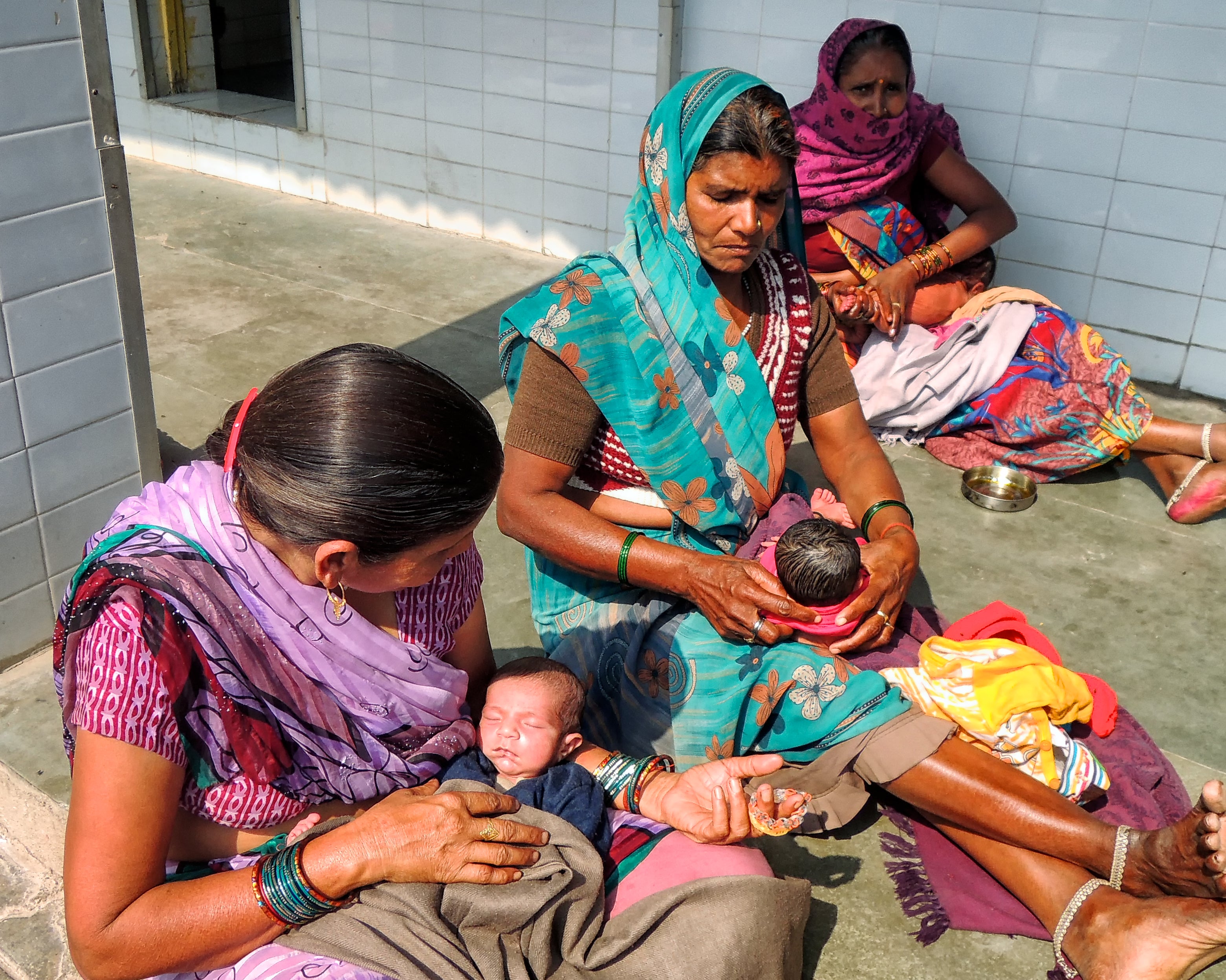
More than 35 million infants annually are born preterm, low birthweight, or small for their gestational age. These small vulnerable newborns (SVNs) face the highest risks of mortality, illness, feeding problems and poor growth, especially in low-resource settings. Evidence-based practices can help millions of babies survive and thrive — practices including earlier, more, and better breast milk feeding, Kangaroo Mother Care (KMC), and Water, Sanitation, and Hygiene (WASH). Although there are concrete steps clinicians, mothers, and families can take, these interventions don’t reach everyone who should benefit. (source)
Our Approach
The BetterBirth Program builds the evidence base for the challenges faced by small vulnerable newborns and the families and facilities that care for them and builds practical solutions to overcome them.
Our work spans the full Ariadne Arc from research to real-world implementation:
- the LIFE study documents how small vulnerable newborns feed, grow, and develop, and identifies who is most at risk
- the Low Birthweight and Preterm Infant Feeding Trial and Supportive Care Package (LIFT-UP) project is a group of studies investigating and designing ways to promote optimal feeding for small vulnerable newborns in low-resource settings. LIFT-UP includes:
- The design and evaluation of a supportive care package across India, Malawi, and Tanzania now known as the Feeding Support Package Plus (FSP+)
- Conducting a randomized controlled trial of human milk fortification for the smallest and least mature babies with aims of improving infant growth in India
- The Guidance for International Growth Standards (GIGS) project that enables better identification of at-risk infants and standardized tracking towards global health and nutrition targets through the creation of a suite of statistical tools and clear guidance for how, when, and for whom to correctly use the existing international child growth standards.
Explore the research, tools, and implementation resources behind our work to support small vulnerable newborns.
A co-designed, freely available package that integrates lactation, mother’s own milk (MOM) feeding, KMC, and safe hygiene support into routine facility care for small vulnerable newborns.
LEARN MOREA step-by-step, system-change guide with a full set of linked, adaptable materials to help facilities adopt the FSP+.
LEARN MOREDocumenting feeding, growth, and development in more than 1,100 low birthweight infants to identify who is most at risk and what helps.
LEARN MOREA trial and supportive care package evaluating how to improve feeding for small vulnerable newborns in India, Malawi, and Tanzania.
LEARN MOREA randomized controlled trial exploring whether fortifying human milk improves growth and health outcomes for small vulnerable newborns in India.
LEARN MORE