


T1D Screening Team
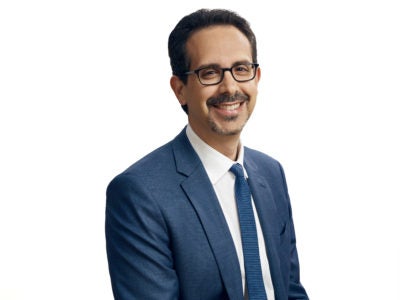
Asaf Bitton
Executive Director & Advisory Board and Governance Council Member

Margaret Ben-Or
Assistant Director of Strategic Projects

Bill Berry
Senior Advisor to the Executive Director
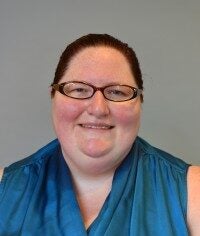
Ami Karlage
Senior Specialist for Writing, Science and Technology Platform

Adam Lindsley
Senior Project Manager, Special Projects
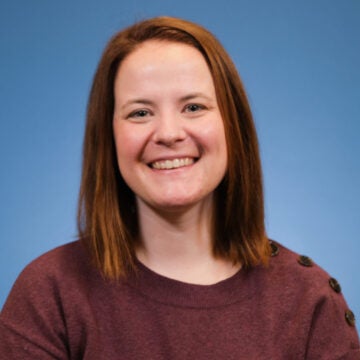
Francine Maloney
Director, Implementation Platform
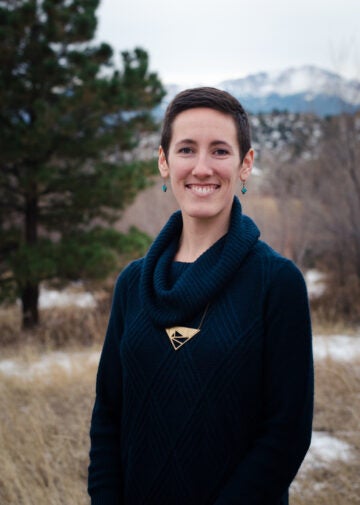
Indigo Miller
Clinical Implementation Specialist
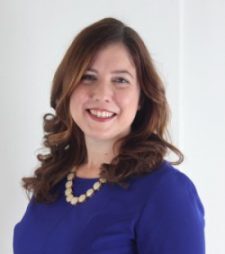
Katherine Semrau
Deputy Director, Ariadne Labs; Director, BetterBirth Program
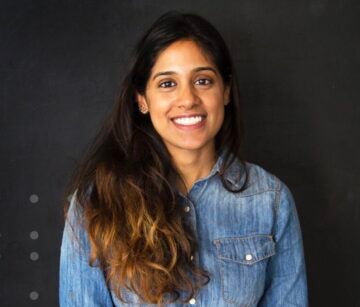
Umila Singh
Design Specialist, Innovation Platform
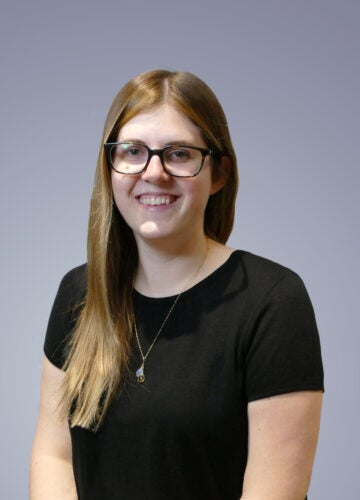
Tricia Vallabhaneni
Senior Project Manager
Strategy for Spread
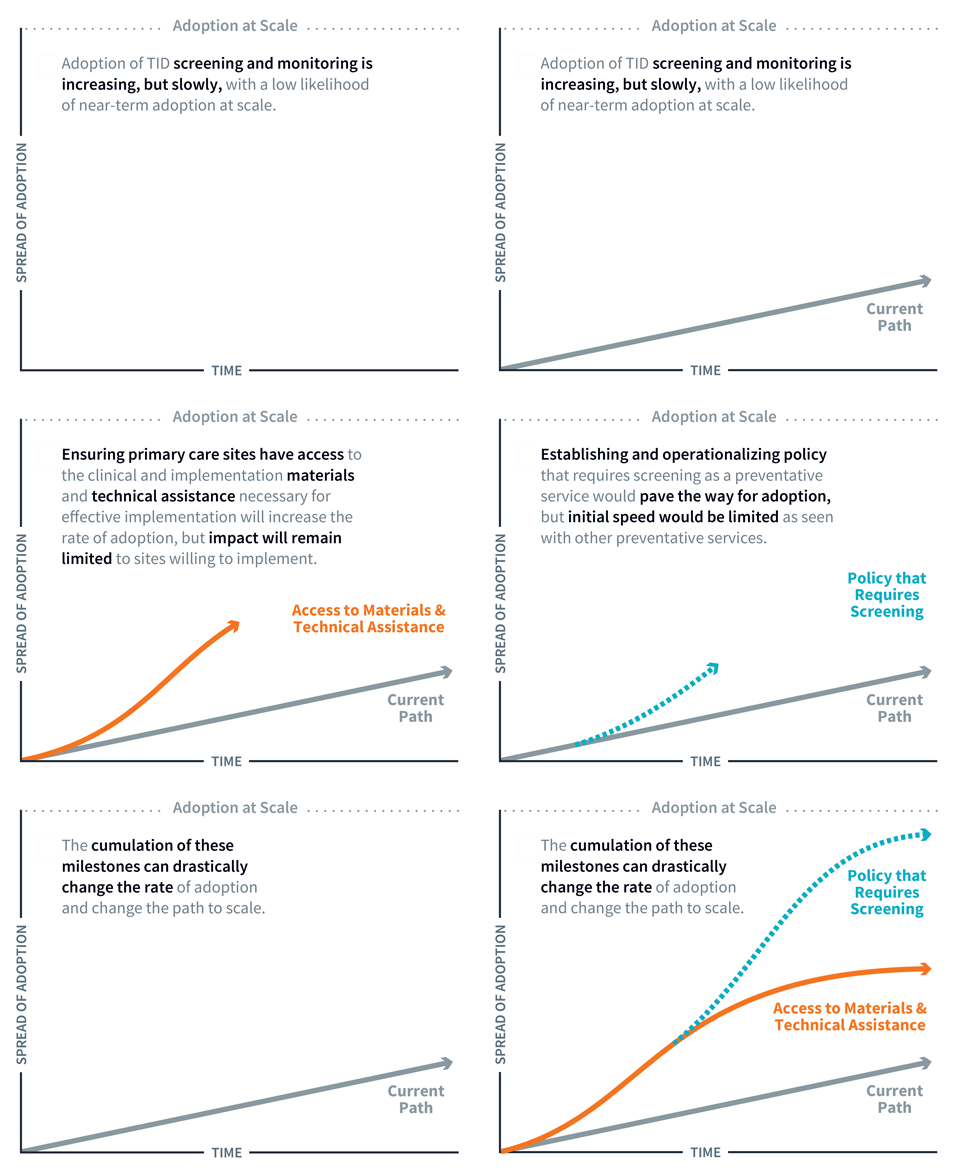
Screening Every Child for T1D – Strategy for Spread
To help ensure this coordination occurs efficiently, the Coalition has created this Spread Strategy, a document that identifies key system and environmental areas of focus for scaling, next steps to address those areas, and relevant stakeholders to take ownership of next steps.